
Key Takeaways
- Important Advice for Managing Cold Desert Journeys
- Premier Arid Locations to Visit During the Cold Season
- Sand Dunes Exploration: Unveiling Winter’s Marvels
- Precautionary Measures for Cold Desert Adventures
- Cultural Encounters in Frigid Desert Areas
- Suggested Travel Plans for Winter Desert Excursions
Winter Desert Travel Guide | Essential Tips for Navigating Winter Desert Travel
Understanding the unique aspects of winter desert travel is crucial for an enjoyable adventure. A comprehensive winter desert travel guide emphasizes the significance of the cold desert climate, which differs strikingly from the hot deserts experienced during warmer months. Travelers venturing into the high deserts should be prepared for significant temperature fluctuations, particularly at night. Iconic desert national parks, including those featuring the red desert landscapes, offer breathtaking scenery and diverse ecosystems. Exploring the highest desert regions can reveal the biggest desert expanses, where one can experience nature’s stark beauty. This winter desert travel guide serves to equip adventurers with essential insights for navigating these stunning environments effectively.
Winter Desert Travel Guide | Understanding the Unique Climate of Winter Deserts
Winter deserts present a unique climate that captivates travelers seeking adventure and tranquility. Understanding this environment is essential for a successful excursion. The Mojave Desert and Great Basin Desert exhibit cooler temperatures, especially at night, making exploration more enjoyable. Dunes glisten under the winter sun, while destinations like Desert Hot Springs and Palm Desert, CA, provide stunning contrasts to the stark beauty of the surrounding landscapes. For those keen to learn about the local ecology, the Arizona-Sonora Desert Museum offers valuable insights into the adaptive species thriving in these semi-desert regions.
Traveling in a winter desert requires careful planning due to the significant temperature fluctuations. Days can be warm and inviting, while nights can plunge to much cooler temperatures. The Sonoran Desert, home to iconic cacti and diverse wildlife, showcases a different aspect of desert life during winter months. This winter desert travel guide emphasizes the importance of layering clothing and hydration. Adventurers should be prepared for both the serene beauty of the dunes and the vibrant life that abounds in this unique climate.
Packing Essentials for Your Desert Adventure
Packing wisely for a winter desert adventure is crucial to ensure comfort and safety during your exploration. A reliable winter desert travel guide will recommend lightweight layers for fluctuating temperatures, including a warm jacket for chilly evenings in places like Anza-Borrego Desert State Park. Sturdy hiking boots are essential for navigating both the sandy expanses of the iconic sand dunes and the rocky terrain of the surrounding mountains. A well-fitted backpack will keep your essentials organized and easily accessible as you embark on day hiking or longer backpacking trips through the great basin deserts.
Hydration is key during your vacation in the desert, so packing a durable water bottle or hydration system is vital. Consider including snacks that provide lasting energy for long days hiking along the trails. A first-aid kit is another essential item to have on hand, especially if you plan to tackle diverse hiking trails. Don’t forget your camera to capture the breathtaking beauty of the landscapes, whether you’re traversing the stunning dunes or exploring the rugged mountain vistas. Every detail matters in making the most of your winter desert travel guide experience.
Top Desert Destinations to Explore in Winter
Exploring iconic destinations offers a unique experience for winter desert travel. The Mesquite Flat Sand Dunes in California’s Death Valley provide stunning landscapes along with opportunities for cross-country skiing when snow graces the arid terrain. Visitors can immerse themselves in the stunning contrast of winter colors at the desert botanical garden, showcasing the resilient beauty of flora adapted to harsh climates. Hikers can venture into Bryce Canyon National Park, where the breathtaking vistas create an ideal backdrop for photography. The Chocolate Mountains invite adventurers to discover hidden trails, while those seeking solitude can embrace the essence of desert solitaire. With sturdy hiking boots, explorers can traverse the diverse landscapes that make winter desert travel so captivating.
Iconic Sand Dunes to Visit
Canyonlands National Park offers a stunning backdrop for those seeking iconic sand dunes during their winter desert travels. This awe-inspiring location showcases a unique wilderness that contrasts vibrant red rock formations with expanses of open desert. Visitors can embark on enjoyable winter desert walks, experiencing the serene beauty of the Chihuahuan Desert. These winter desert destinations provide breathtaking landscapes that are perfect for photography and peaceful exploration.
The warm desert adventure of traversing the iconic dunes in the region introduces travelers to the captivating sights and sounds of the environment. Each dune presents an opportunity for a unique desert experience, filled with the rich textures of the sand and the vastness of the horizon. Embracing the tranquility of these locations creates cherished memories, making them a must-visit in any winter desert travel guide. Adventurers will find that the combination of stunning scenery and serene surroundings makes for an unforgettable journey through these enchanting desert landscapes.
Remote Oases for Serenity and Beauty
Remote oases in desert regions provide a unique escape, offering serene beauty amidst incredible desert landscapes. These peaceful retreats often lie nestled between rugged desert mountains and expansive wide desert areas, perfect for visitors seeking tranquility. The contrast of vibrant plant life against the arid surroundings creates stunning sights, captivating travelers exploring the high desert climate. For those following a winter desert travel guide, locating these hidden gems enhances the journey, unveiling hidden treasures along desert trails.
Great desert hikes lead adventurers to these enchanting oases, where vibrant flora flourishes in harmony with the surrounding aridity. This combination creates a striking backdrop for unforgettable desert adventures and memorable experiences. Whether wandering through lush palm groves or resting by glistening water sources, each oasis offers a unique glimpse into the resilience of nature. High desert elevations can amplify the sense of isolation and peace, making these spots ideal for reflection and rejuvenation during winter desert travel.
| Oasis Name | Location | Key Features | Accessibility |
|---|---|---|---|
| Oasis of Siwa | Egypt | Natural springs, palm groves, ancient ruins | Accessible by road from Cairo |
| Oasis de Figuig | Morocco | Traditional irrigation systems, lush gardens | Nearby town; accessible by local transport |
| Cahuilla Indian Reservation | California, USA | Wildlife habitats, desert flora | Accessible via designated hiking trails |
| Tozeur Oasis | Tunisia | Palm trees, unique architecture | Connected by road and rail |
Dunes Travel Guide: Discovering Winter’s Wonders
Exploring the wonders of winter dunes offers a unique perspective on the iconic desert landscape. This winter desert travel guide highlights the beauty of desert parks that showcase breathtaking red desert landscapes in a serene atmosphere. A desert escape during this season allows travelers to witness vibrant desert vistas against a backdrop of a dry desert climate. Visitors seeking a desert getaway can delve into the charm of desert cities and towns, all while respecting the delicate desert ecosystem. Engaging with the living desert reveals the richness of wildlife and plant life, making winter an ideal time for exploration and photography in these stunning environments.
Exploring the Best Dunes for Photography
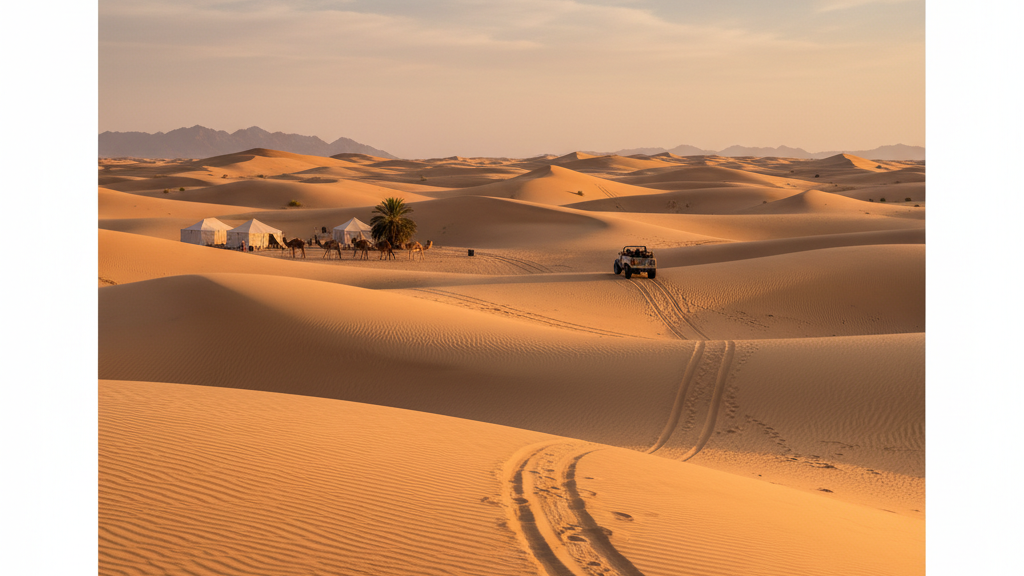
The winter desert travel guide leads photographers to some of the most breathtaking sand dunes in the California desert. Iconic landscapes within desert parks provide perfect backdrops, showcasing surreal desert landscapes bathed in the warm glow of the desert light. Expansive dunes near desert towns ensure a unique experience, especially during stunning desert sunsets that transform the sky into a canvas of colors. The slow desert air fosters a calm atmosphere, ideal for capturing the essence of the winter desert.
Desert oases and scenic viewpoints around desert springs resort offer excellent opportunities for capturing the beauty of desert water amidst sandy terrain. The contrast between towering dunes and tranquil springs presents a fine winter destination for both novice and seasoned photographers. Adventuring through these varied settings allows for exploration of the rich textures created by the hot desert sun. Each click of the camera captures not just images, but the magic of winter’s ephemeral landscapes.
Activities to Enjoy Among the Dunes
Exploring the dunes during a winter desert adventure offers a unique experience, especially as desert temps drop, creating a serene atmosphere. An ideal winter destination, the Mojave Desert becomes a playground for winter exploration, providing accessible dunes that beckon adventurers. Finding a high-desert oasis adds to the thrill, allowing visitors to enjoy wide-open desert serenity while observing the fascinating landscape shaped by desert rain storms. Travelers can immerse themselves in the funky desert culture, experiencing the majestic beauty of the scenery and discovering the signs of life in the stark environment.
Engaging in activities among the dunes can turn any winter desert travel guide into a cherished memory. Sandboarding down the slopes is an adrenaline-pumping way to enjoy the fun and thrill of the dunes. Hiking trails offer breathtaking views, allowing travelers to connect with the breathtaking vistas that surround them. As the sun sets, capturing snapshots of the twilight hues transforming the landscape creates lasting impressions of your desert journey. The dunes not only provide adventure but also serve as a reminder of the profound beauty found in these unique desert destinations.
| Activity | Description | Recommended Time |
|---|---|---|
| Sandboarding | Experience the thrill of gliding down sandy slopes. | Morning or Late Afternoon |
| Hiking | Explore various trails with scenic views of the desert landscape. | All Day |
| Photography | Capture stunning images of the dunes at sunrise and sunset. | Early Morning or Dusk |
| Wildlife Observation | Look for signs of life and observe desert animals in their habitat. | Afternoon |
Safety Considerations for Winter Desert Travel
A well-rounded winter desert travel guide emphasizes the importance of being prepared for changing conditions while exploring different deserts. For winter adventurers embarking on a winter van trip, understanding temperature fluctuations is crucial, especially in places like the red rock desert where cool-weather hiking can offer breathtaking views. Participants of desert forays should be mindful of the unique desert flora that may thrive during milder months. Those looking to hike the Golden Canyon Trail to Zabriskie Point should dress in layers to adapt to the cooler mornings. After a day of exploring iconic landscapes, such as the white dunes, a touch of comfort can be found by utilizing a desert luxury car for leisurely travel. Embracing these safety considerations allows for an enjoyable winter getaway and helps ensure a memorable experience in the serene beauty of the Sonoran Desert and beyond.
Dealing with Temperature Fluctuations
Winter brings unique temperature challenges in desert environments. The Mojave Desert stretches experience significant fluctuations between day and night, making it essential to prepare accordingly for your trip. Cooler hiking conditions during the day can be invigorating, especially in areas like Anza-Borrego Desert State Park or along the Golden Canyon Trail. As you explore the massive sand dunes and petrified sand dunes, layering your clothing will help you adjust throughout the day.
A prime winter getaway often features a classic desert pool where you can relax after a day of adventures. Be mindful that temperatures can drop significantly after sunset, especially near the mountains. Staying aware of these variations not only enhances your experience but ensures your comfort during your winter desert travel guide trip. Always check the weather forecast before embarking on your journey to fully enjoy the breathtaking landscapes and diverse activities available.
- Dress in layers to easily adjust to changing temperatures.
- Keep a warm jacket handy for chillier evenings.
- Wear breathable fabrics during the day to stay comfortable while hiking.
- Always have water on hand, as hydration is crucial in desert environments.
- Plan your hikes for early morning or late afternoon to avoid the hottest part of the day.
- Be prepared for sudden weather changes by packing extra gear.
- Check the local weather conditions regularly to stay informed about any fluctuations.
Wildlife Encounters and Precautions
Exploring the wilderness during your winter desert vacations presents unique wildlife encounters. The contrast between flat sand dunes and snow-capped mountains creates a stunning backdrop for your next trip. To experience the desert’s rich biodiversity, consider planning a month trip that includes a sunset hike through areas where desert wildflowers bloom. This epic winter adventure allows travelers to observe various species while respecting their habitats, ensuring safe and enjoyable trips for all.
Precautions during these outings are crucial for the safety of both adventurers and wildlife. Wearing appropriate gear, such as trail sandals, can protect your feet while allowing you to traverse diverse terrains comfortably. Staying informed about local wildlife behaviors helps you anticipate encounters and respond wisely. A well-structured winter desert travel guide should include these safety tips to enrich your fantastic hike and road trip experiences.
Cultural Experiences in Winter Desert Destinations
Exploring the cultural experiences during winter desert travel offers a unique perspective on the region’s heritage and traditions. The winter weather in areas like Snow Canyon State Park brings a stark contrast to the extreme aridity typical of desert landscapes. Travelers can engage with local cultures through festivals and events that celebrate the desert’s history. The nearby Canyonlands offer scenic views complemented by hiking opportunities, such as the Hidden Valley Trail, which provides an optional hike for those seeking adventure on their full day trip. This winter desert travel guide highlights not only the beauty of the landscape but also the rich cultural tapestry woven by the semi-desert rats who call this region home. Each encounter enriches the experience, making your next winter escape memorable and truly immersive.
Engaging with Local Traditions and Festivals
Experiencing local traditions and festivals during winter desert travel can enrich your journey significantly. Many desert communities host unique events that celebrate their cultural heritage, especially during the winter months. These gatherings often feature local music, art, and traditional cuisine, allowing travelers to connect with the local population. An easy excursion to a festival site can provide a delightful break from a mile round-trip hike in the mountainside or a more moderate hike during the day-time. The U.S. winter brings a magical atmosphere to these celebrations, making them unforgettable experiences.
Exploring the local customs often involves road trips to various towns that showcase their festivities. Late evening hikes lead to stunning views of stars and illuminated celebrations. Such excursions allow travelers to witness the fusion of culture and nature while enjoying the cold winter weather. This winter desert travel guide highlights the importance of engaging with these vibrant traditions, as they offer insight into the rich histories of the regions you explore. Each festival provides a unique opportunity to bond with locals and create cherished memories.
Culinary Delights Unique to the Desert Regions
Desert regions offer a unique culinary experience shaped by their distinct environments. Travelers embarking on a journey through vast canyons and mountains will find delightful dishes that reflect the local culture. A winter desert travel guide reveals great destinations where traditional recipes often use locally sourced ingredients. Expect to enjoy meals prepared with spices that evoke the warmth of the winter sky, accompanied by stunning mountain views that enhance the dining experience.
Savoring food while trekking through magnificent towering canyons adds to the adventure. Many outdoor enthusiasts engage in epic hiking excursions, which may include short hikes that lead to picnic spots with breathtaking scenery. To enhance your culinary journey, ensure you have a solid hiking boot for comfort. As you absorb the flavors unique to the desert regions, every meal becomes a memorable part of your exploration, highlighted by the remarkable landscape surrounding you.
Recommended Itineraries for Winter Desert Travel
A well-crafted itinerary can enhance your experience in the winter desert landscape. This winter desert travel guide highlights favorite trails that lead through rocky canyons and offer breathtaking views. Plan a scenic drive filled with opportunities for exploration, including a day road trip to several iconic spots. Pack your favorite trail snacks to fuel your adventure as you trek through the near-mystical landscape where winter temperatures can vary. Consider joining guided tours that provide insights into the terrain and its unique features. Opting for travel pass perks can also give you access to hidden gems and lesser-known sites, ensuring a memorable retreat filled with natural beauty and adventure.
- Research and select the best desert parks to visit during winter.
- Create a packing list tailored to winter conditions, including warm clothing and hiking gear.
- Schedule time for photography to capture the stunning desert landscapes.
- Explore local cuisine by stopping at nearby eateries or food trucks.
- Include downtime in your itinerary for stargazing under the clear desert skies.
- Consult local visitor centers for maps and additional recommendations.
- Prepare for temperature fluctuations by layering your clothing during outdoor activities.
Conclusion
A winter desert travel guide reveals the stunning contrasts within these unique landscapes, from deep canyons to open plains. Exploring iconic destinations allows travelers to discover luxury resorts that provide comfort after a day of adventure. Engaging in ranger-guided stargazing tours offers a chance to marvel at the night sky, revealing incredible mountain views and the serenity of the desert. Embracing responsible travel tips enhances the experience while preserving the beauty of mountaintop forests and the diverse scenery. This journey through winter deserts promises unforgettable memories and an appreciation for nature’s wonders.
FAQS
What makes a winter trip to the Sonoran Desert a peaceful desert retreat compared to visiting Bryce Canyon National Parks?
A winter visit to the Sonoran Desert can provide a peaceful desert retreat, offering unique experiences like day-time hiking and stunning views of snow-capped mountains—while a journey moves through the vast landscapes. In contrast, Bryce Canyon National Parks features its iconic rock formations and hiking trails; however, the serene atmosphere of the Sonoran Desert, with its tranquil surroundings and desert signs, can be appealing for those seeking a quieter getaway. If you’re looking to hike, the Golden Canyon Trail to Zabriskie Point is also a winter hiking trail worthy of exploration. Don’t miss the Palm Desert Civic area, which also showcases the dramatic landscape of this desert city.
What unique experiences can travelers expect when hiking the Golden Canyon Trail to Zabriskie Point in the Sonoran Desert during winter compared to those found in other regions?
During winter, the Sonoran Desert offers a serene hiking experience on the Golden Canyon Trail to Zabriskie Point, where you can enjoy breathtaking views of the snow-capped mountains. Unlike the main canyon in other national parks, the quiet trails and the stunning landscapes provide a refreshing winter getaway ideal for those looking to escape the hustle and bustle.
What activities can travelers enjoy during winter in the Sonoran Desert, and how does it compare to hiking in snow-capped mountains?
During winter in the Sonoran Desert, travelers can enjoy a range of activities such as hiking the Golden Canyon Trail to Zabriskie Point, where stunning views await. Unlike hiking in snow-capped mountains—where conditions can be challenging—winter in the Sonoran Desert offers mild temperatures and beautiful landscapes, making it an ideal time for exploration.
How does winter hiking in the Sonoran Desert compare to exploring snow-capped mountains in terms of scenery and experience?
Hiking in the Sonoran Desert during winter offers a unique experience with mild temperatures and stunning desert landscapes, while exploring snow-capped mountains—does provide a contrast with their chilly, snowy environments. Both have their allure; however, the Sonoran Desert isn typically admired for its vibrant colors and unique flora, making it an enticing winter getaway for nature lovers.
What tips can help travelers enjoy a hike the Golden Canyon Trail to Zabriskie Point during winter in the Sonoran Desert?
When planning to hike the Golden Canyon Trail to Zabriskie Point during winter, it’s essential to dress in layers, as desert temperatures can change significantly throughout the day. Additionally, winter offers unique scenic vistas with clearer skies and less crowded trails, making it a great time to enjoy nature without the summer heat. Be sure to carry enough water and snacks to stay energized on your hike, and check the weather conditions beforehand to ensure a safe winter adventure.
How can travelers prepare for a hike the Golden Canyon Trail to Zabriskie Point during winter months in the Sonoran Desert?
To prepare for a hike the Golden Canyon Trail to Zabriskie Point during winter in the Sonoran Desert, it’s important to check the weather forecast, dress in layers for fluctuating temperatures, carry plenty of water, and ensure your footwear is suitable for rugged terrain. Additionally, winter months can bring unique beauty to the desert landscape, making it a fantastic time to explore this scenic trail.
What should travelers know before planning to hike the Golden Canyon Trail to Zabriskie Point in the winter months?
Before you decide to hike the Golden Canyon Trail to Zabriskie Point in the winter, it’s essential to prepare for the unique conditions of the season. Winter weather can bring cooler temperatures, so wearing layers is advised. Additionally, the trails may be less crowded, offering a peaceful experience. Always check the weather forecast and trail conditions before you set out, and consider carrying extra gear for safety. Embracing the beauty of winter in the Sonoran Desert truly enhances the experience of hiking the Golden Canyon Trail to Zabriskie Point.
What should hikers consider regarding weather conditions when planning to hike the Golden Canyon Trail to Zabriskie Point during winter?
When planning to hike the Golden Canyon Trail to Zabriskie Point during winter, it’s important to consider the possibility of colder temperatures and unpredictable weather. Winter conditions can bring frost and occasional rain, making the trail more challenging. Dress in layers to adjust to changing temperatures and be prepared for slippery sections on the trail. Watching the weather forecast closely can help ensure a safer and more enjoyable hike the Golden Canyon Trail to Zabriskie Point during winter months.
What are some essential safety precautions for those who plan to hike the Golden Canyon Trail to Zabriskie Point during winter?
When you decide to hike the Golden Canyon Trail to Zabriskie Point in the winter, it’s crucial to take safety precautions. Ensure you wear layers suitable for winter weather, carry plenty of water, and be aware that the trail may be slippery. Plan for shorter daylight hours and check the weather forecast before starting your hike the Golden Canyon Trail to Zabriskie Point.
What factors should travelers think about when deciding whether to hike the Golden Canyon Trail to Zabriskie Point during winter?
When considering whether to hike the Golden Canyon Trail to Zabriskie Point during winter, travelers should evaluate factors such as weather conditions, trail accessibility, and their personal experience level with winter hiking. It’s important to prepare adequately for a safe and enjoyable winter hike the Golden Canyon Trail to Zabriskie Point, ensuring that you have the right gear for the cold temperatures and possible snow.